Top Technical SEO Services Company Chicago 2026
TECHNICAL SEO SERVICES
We are obsessing over technical SEO services, and we thought you should know why?
Having a visually appealing website is a good branding effort but design can sometimes be overwhelming and having strong functionality is imperative to many metrics often graded for by search engines.
Even the best content can remain invisible if search engines cannot crawl, index, or understand your pages properly. This is where Technical SEO comes into play. Unlike traditional on-page SEO that focuses on keywords or off-page SEO that relies on backlinks, technical SEO forms the backbone of your site’s search engine performance, ensuring it is fast, secure, and accessible. It lays the foundation for everything else in your digital performance strategy.
TABLE OF CONTENTS →
Table of Contents:

Look at it this way, it’s the bare-shell architecture of your website’s infrastructure and how it aligns with best practices for a good user experience.
Technical SEO affects how search engines perceive your website, how quickly they can discover new content, and ultimately, whether your pages rank high in search results. Poor technical SEO can prevent your website from achieving its full potential, no matter how great your content or marketing strategy is.
We will dwell quickly into understanding the bigger picture of how this applies to your business and that way it would be easier to interpret the ebb and flow of technical seo and how it binds On Page SEO Vs Off Page SEO together.
What is Technical SEO?
Technical SEO is the process of improving and optimizing your core technology stack and underlying website infrastructure to perform better for search engines. It focuses primarily on backend processes like indexing, crawlability, accessibility, performance, architecture, security, structured data, and AMP.
Technical SEO has often been treated as a bifurcation of On-Page SEO in relevance to Content and included in Off-Page when backlinks are mentioned, as it also operates on the technicality of both On-Page and Off Page efforts to sync and be accessed, calibrated and interpreted for search engines.
Why SMB are focusing on Technical SEO Services in 2026?
The influx of traffic and disruptions by AI engines have increased the crawl budget for crawlers and thereby cutting into profits and increasing inefficiency, now this is not new, but it as it appears when every business is grappling technical seo becomes a strong indicator of user experience and an effort towards this is rewarded with better placements on SERP.
Technical SEO by the Numbers
The immediate value technical SEO services bring is often undervalued. We are stretched in two ways in this endeavor: content must increase for seo and every keyword targeting requires a new page into the fold and when planning and results don’t coincide, pivoting to alternative ad structures changes the website’s architecture, causing the need for expansion to coexist with the technical SEO markers.
What does Technical SEO Services Include?
Technical SEO involves both the front end – with content, HTML, CSS, Java etc – and SEO semantics. This overlap makes it difficult to define its scope clearly. Approaching SEO in a fragmented way is challenging without a solid understanding of the back end, as updates to PHP, plugins, or versions often conflict and break the site.
Here are focus areas and causality from some important elements.
Website Crawlability
Understanding crawlability is the first step in technical SEO because search engines must be able to access your website efficiently. Search engine bots rely on your site’s structure to discover content. One of the simplest ways to manage this is through a properly configured robots.txt file, which tells search engines which pages should be crawled and which should be ignored. Without this, crawlers may waste time on irrelevant pages, missing critical content.

Now the Crawler don’t like this and understand that the webmaster lacks crawl hygiene since the crawl budget continues to increase eating into operational expenses and profits.
You can identify crawlability issues by monitoring for pages that don’t appear in Google Search Console or checking for high rates of “Crawl Errors.” Broken internal links can also create roadblocks, leading bots to dead ends and preventing some pages from being discovered. Redirect chains and loops present another problem. If a page redirects multiple times or enters a loop, bots may abandon the crawl before reaching the destination, wasting your site’s crawl budget. Observing unusual patterns in server logs, such as repeated requests to the same URLs, is a key indicator of these issues.
These Crawlability Markers ensure search engines can access and navigate your website efficiently.
| Marker | How it affects SEO | Why it’s needed |
| Robots.txt configuration | Tells crawlers which pages to crawl | Prevents indexing of irrelevant pages, saving crawl budget |
| Broken internal links | Pages with broken links can’t pass link equity | Ensures smooth navigation for users and bots |
| Redirect chains & loops | Excessive redirects slow down crawling | Keeps link equity intact and prevents errors |
| HTTP status codes | 404, 500 errors block crawlers | Ensures search engines can successfully access content |
| XML Sitemap | Guides crawlers to important pages | Helps search engines discover new or updated content faster |
Even something as simple as HTTP status codes can affect crawlability. Pages that return 404 or 500 errors block search engines from indexing valuable content. By systematically checking server responses, you can identify which pages are inaccessible. Similarly, an XML sitemap guides search engines to your most important pages. If your sitemap is missing or outdated, crawlers may overlook new content, and indexing can be delayed, reducing your site’s visibility.
Page Indexing
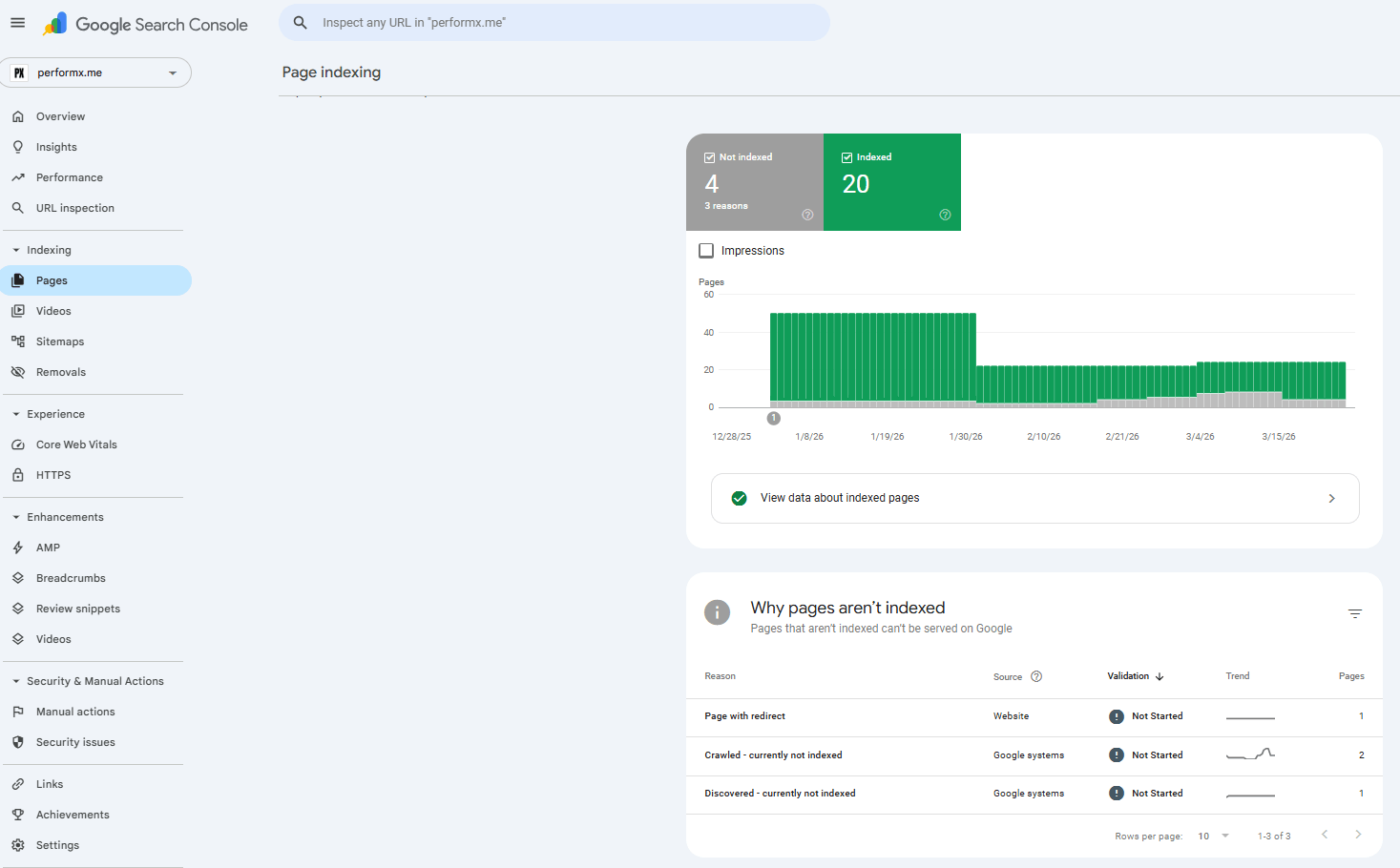
Once a page is crawlable, it must be indexed to appear in search results. Indexing ensures that search engines store your pages correctly and understand their relevance. A common problem occurs with duplicate content, where multiple versions of the same page confuse search engines about which one should rank. The solution is canonical tags, which tell search engines which version is preferred. If canonical tags are missing or misconfigured, you may notice ranking fluctuations or competing pages diluting each other’s authority.
Noindex tags are another essential tool, allowing you to prevent low-value pages from appearing in search results. If a page intended to rank is accidentally marked with “noindex,” it will be invisible in search engines, resulting in lost traffic. Orphan pages,pages with no internal links pointing to them,also hinder indexing. Without links from other pages, these pages are effectively invisible to crawlers, and the only way to detect them is through a site crawl or auditing tool.
These Indexing Markers help search engines store and rank pages correctly.
| Marker | How it affects SEO | Why it’s needed |
| Canonical tags | Avoids duplicate content penalties | Consolidates link equity to the preferred page |
| Noindex tags | Prevents unwanted pages from appearing in SERPs | Keeps low-value pages from diluting site authority |
| Duplicate content | Confuses search engines on which page to rank | Prevents ranking penalties |
| Orphan pages | Pages without internal links may never be indexed | Ensures all content contributes to SEO |
| Sitemap coverage | Ensures all pages are included | Guarantees search engines know about every important page |
Impact: Poor indexing leads to important pages being invisible to search engines.
Finally, ensuring complete sitemap coverage is vital. Pages not included in your XML sitemap may go unnoticed, particularly for large websites with hundreds of pages. Monitoring indexing reports in Google Search Console can reveal which pages are missing or excluded, highlighting areas that require attention.
Site Architecture
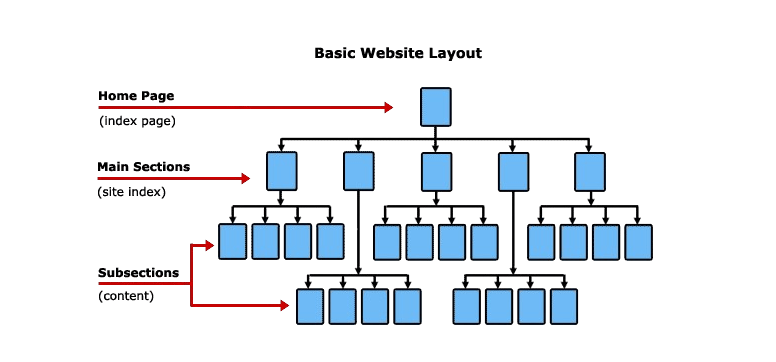
The architecture of your website determines how easily both users and search engines can navigate it. Clear, descriptive URLs help search engines understand the content of each page while simultaneously improving the user experience. A poorly structured URL, with excessive parameters or unintelligible codes, can confuse crawlers and lower click-through rates.
Internal linking depth also plays a critical role. Pages buried several clicks deep in your site hierarchy are harder for search engines to discover. If certain pages rarely receive internal links, tools like Screaming Frog or Ahrefs will flag them, indicating that they may require additional linking. Breadcrumb navigation further helps by showing the site’s hierarchical structure, making it easier for both users and search engines to understand relationships between pages.
Site Architecture Markers Influences how both users and search engines understand your site structure.
| Marker | How it affects SEO | Why it’s needed |
| URL structure | Clean, descriptive URLs rank better | Helps search engines and users understand page content |
| Internal linking depth | Pages buried too deep may be ignored | Facilitates crawlability and distributes link equity |
| Breadcrumb navigation | Shows page hierarchy | Enhances UX and contextual understanding for Google |
| Silo structure | Organizes content by theme | Strengthens topical authority |
| Navigation hierarchy | Proper hierarchy ensures all pages are accessible | Boosts user experience and crawl efficiency |
Impact: Poor architecture reduces crawl efficiency and weakens keyword relevance signals.
Organizing content into silos, where related topics are grouped together, strengthens topical authority. Without a logical structure, search engines may struggle to associate content with relevant keywords, weakening your rankings. Similarly, a well-planned navigation hierarchy ensures that all pages remain accessible and discoverable. When navigation is inconsistent or incomplete, crawlers may fail to reach important content, and users may become frustrated.
Page Speed and Core Web Vitals
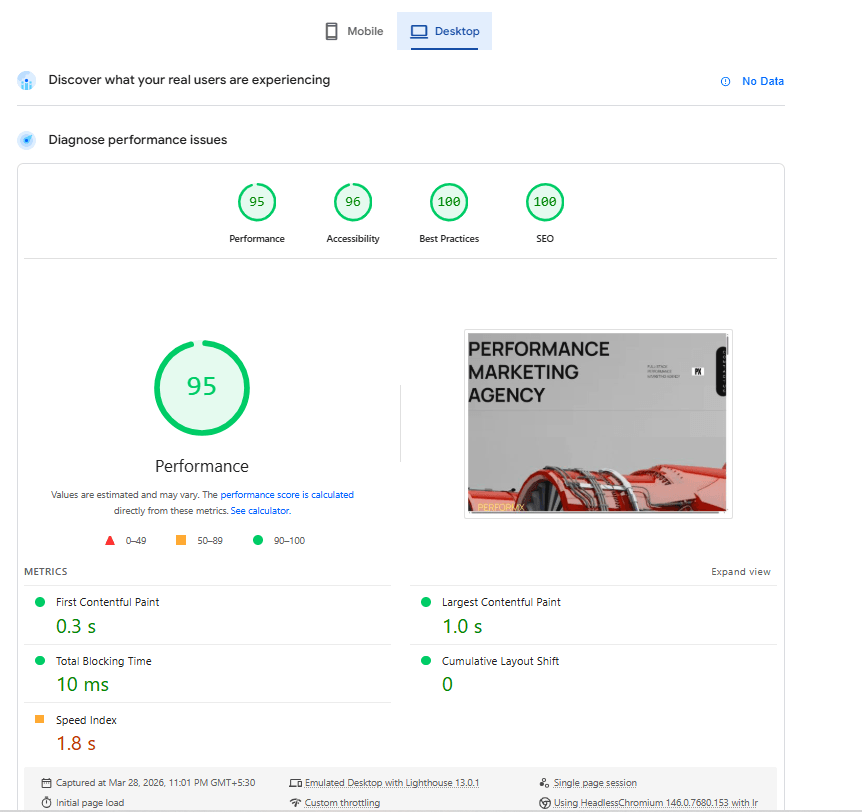
Page speed has become a critical ranking factor, with Google emphasizing user experience through Core Web Vitals. Largest Contentful Paint (LCP) measures how quickly the main content loads. Slow LCP often leads to higher bounce rates. If users frequently leave your pages before they load, this can signal to Google that your site is underperforming. Tools like Google PageSpeed Insights can identify which elements, such as unoptimized images or slow server responses, are causing delays.
Page Speed & Core Web Vitals shows how performance directly affects user experience and search rankings.
First Input Delay (FID) measures the time it takes for a page to become interactive. A long delay can frustrate visitors, resulting in reduced engagement and conversion rates. Cumulative Layout Shift (CLS) tracks visual stability; if images or ads move unexpectedly, users may click incorrectly or leave the site entirely. Time to First Byte (TTFB) evaluates server response time; slow TTFB can hinder crawling efficiency and reduce page speed scores. Lastly, heavy JavaScript execution can delay rendering, and audits often reveal scripts that could be deferred or optimized for better performance.
| Marker | How it affects SEO | Why it’s needed |
| Largest Contentful Paint (LCP) | Slow LCP increases bounce rate | Measures perceived page load time |
| First Input Delay (FID) | Delays in interactivity hurt user engagement | Ensures page is responsive |
| Cumulative Layout Shift (CLS) | Unexpected layout shifts frustrate users | Measures visual stability |
| Time to First Byte (TTFB) | Slow server response delays indexing | Indicates server performance |
| JavaScript execution time | Excessive JS slows down page load | Optimizes user experience and indexing speed |
Impact: Poor page speed lowers rankings, reduces conversions, and increases bounce rates.
Mobile Optimization
With mobile-first indexing, mobile optimization is no longer optional. A responsive design ensures your website adapts to all screen sizes. Issues like incorrectly scaled viewports or tiny tap targets can prevent mobile users from navigating effectively, often indicated by Google Search Console’s mobile usability reports. Slow mobile load times directly impact rankings because Google measures page speed separately for mobile devices. Optimizing images, leveraging browser caching, and minimizing heavy scripts are critical steps.
With mobile-first indexing, this is non-negotiable.
| Marker | How it affects SEO | Why it’s needed |
| Responsive design | Ensures site adapts to all devices | Google prioritizes mobile-friendly sites |
| Mobile viewport configuration | Displays page correctly on phones | Prevents scaling and rendering issues |
| Mobile usability errors | Buttons too small or content cut off | Enhances UX and engagement |
| Mobile page speed | Slow mobile pages hurt rankings | Mobile users expect instant access |
Impact: Poor mobile optimization causes ranking penalties and lost mobile traffic.
Google use AMP- Accelerated Mobile Pages as its preferred version for data cataloguing and user experience and would always interact with your cache based of underlying website infrastructure and technology, AMP pages need to be served differently to achieve desired performance results, simpler CDN mechanism can be used upon identifying the transaction and traffic on mobile devices to make better decisions.
Structured Data
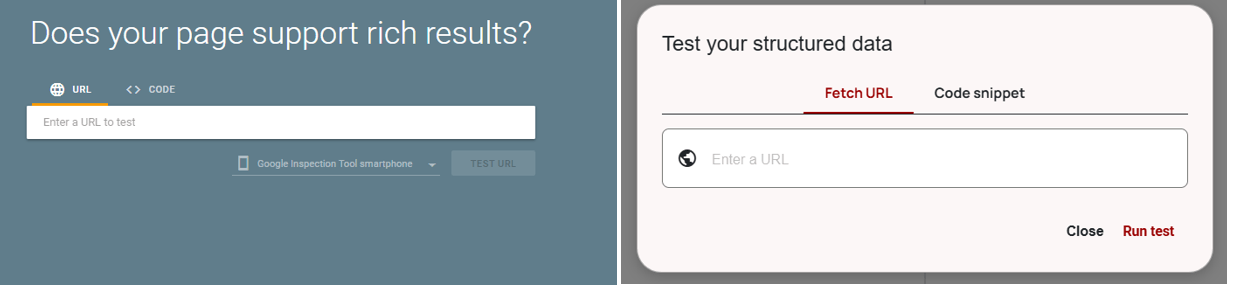
Structured data allows search engines to understand your content contextually. Proper implementation of schema markup can make your pages eligible for rich results, including FAQ snippets, product highlights, and event information. Errors in schema markup can prevent pages from appearing in rich results, reducing potential visibility. You can identify issues using Google’s Rich Results Test or Search Console structured data reports. Structured data is particularly effective for improving click-through rates, as enhanced listings stand out in search results.
Structured data helps search engines understand content context.
| Marker | How it affects SEO | Why it’s needed |
| Schema markup presence | Rich results improve CTR | Helps search engines categorize content |
| Schema errors | Can prevent rich snippets | Maintains valid structured data |
| FAQ/Product/Event schema | Enhances SERP appearance | Increases visibility and engagement |
| Rich result eligibility | Increases SERP real estate | Attracts more clicks from search results |
Impact: Proper structured data improves visibility, CTR, and brand credibility in search results. You can alternative use Scheme Validator to check your structured data markup here in both using an URL and HTML Code Snippet.
Website Security
Security affects both search engine rankings and user trust. HTTPS is a confirmed ranking factor, and an expired SSL certificate can trigger browser warnings, deterring visitors. Mixed content errors, where pages include both secure (HTTPS) and insecure (HTTP) elements, undermine trust and can reduce rankings. Security headers further protect your site from attacks, ensuring uninterrupted access for users and crawlers alike. Regular audits can reveal vulnerabilities, guiding timely corrections before problems escalate.
HTTP Strict Transport Security (HSTS) – Is also a mark up for accessibility and gets rewarded by Search Engines, HTTP Strict Transport Security (HSTS) is a web security policy mechanism that enforces browsers to only interact with websites exclusively via HTTPS, preventing downgrades to insecure HTTP. It mitigates man-in-the-middle attacks, SSL stripping, and cookie hijacking. Enabled via an HTTP header.
Websites and Landing Pages Security affects trust, UX, and rankings drastically and equivalently for all
| Marker | How it affects SEO | Why it’s needed |
| HTTPS implementation | Secures user data | Google favors secure sites |
| SSL certificate validity | Expired SSL blocks traffic | Maintains trust and avoids browser warnings |
| Mixed content errors | Insecure scripts reduce trust | Ensures full HTTPS coverage |
| Security headers | Protects against attacks | Prevents hacking and downtime |
Impact: Insecure sites are penalized in rankings and lose user trust.
International SEO
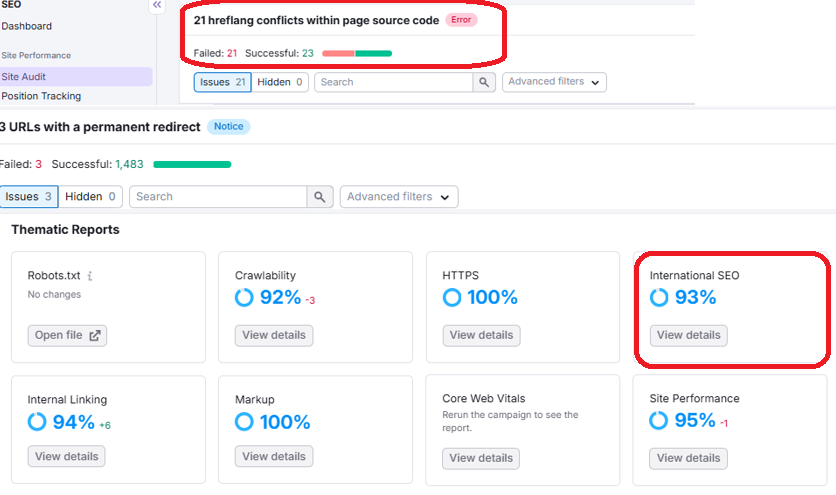
For global websites managing international SEO ensures your content reaches the right audience in the right language and region. Hreflang tags indicate the language and country of a page, preventing duplicate content issues across different markets. Missing or incorrect hreflang implementation can lead to users landing on irrelevant language pages, increasing bounce rates. Language and country targeting helps optimize regional search rankings, while duplicate language pages must be monitored to avoid confusing both search engines and users. Tools like SEMrush, Ahrefs, and Google Search Console can identify misconfigured hreflang tags or unlinked regional pages.
By systematically auditing these technical elements, monitoring performance, and fixing errors promptly, you can ensure that search engines can efficiently crawl, index, and rank your pages. Over time, this not only boosts organic traffic but also improves user experience, engagement, and conversion rates, creating a website that is robust, secure, and optimized for long-term growth.
Benefits of Technical SEO Services?
For modern businesses and startups, investing in technical SEO is not optional,it’s essential for building a scalable, search-engine-friendly digital presence. Most audits focus on 60–100 markers, grouped into crawlability, indexing, architecture, performance, mobile, structured data, security, and international SEO.
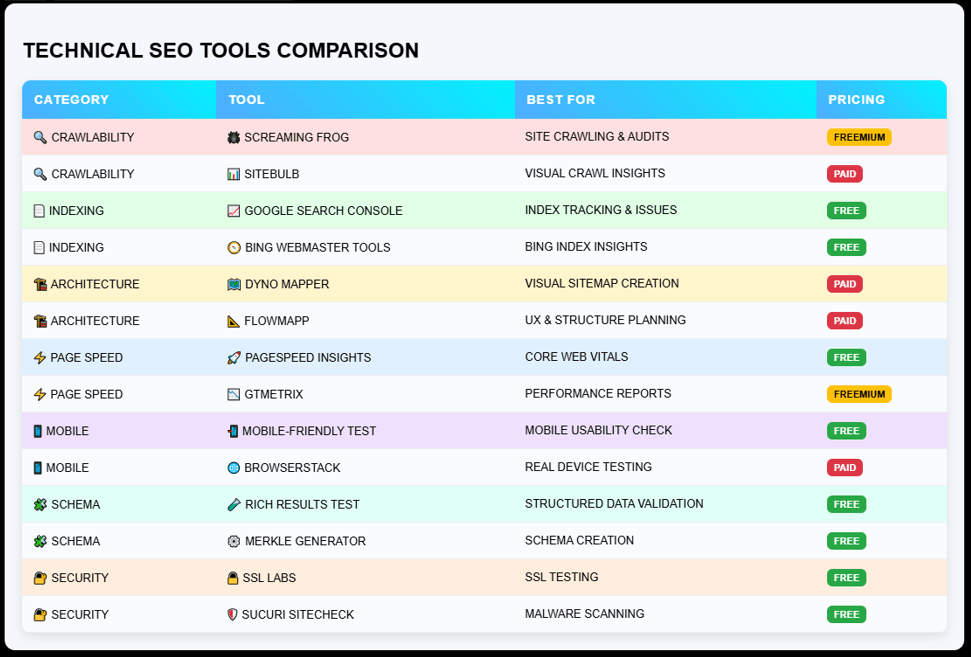
You can audit your site through these tools available in the market, we found these to be easier to read and interpret and some have good UI changes adopted from the learnings.
EveryBusiness aligns tad differently to SEO and its requirements for business outcome a barber may not have the need for SEO but if they would use seo it may help expand their organic reach, for which the search engines are actually built – to find new relevant helpful content.
How Technical SEO Services Improves business outcome?
📊 TECHNICAL SEO INSIGHTS
Technical SEO services improve business outcomes by making your website faster, easier to crawl, and more understandable for search engines leading directly to better visibility, more traffic, and higher conversions. Here’s how that translates into real business impact:
Better Search Engine Visibility
Technical SEO ensures your site is properly indexed by search engines like Google. Fixing issues like broken links, crawl errors, or poor site structure helps your pages appear in relevant search results.
More impressions → more organic traffic → increased brand exposure.
Faster Website Performance – Optimizing page speed (via caching, image compression, code cleanup, etc.) improves how quickly your site loads. Lowers bounce rates, Higher user engagement and better conversion rates (especially on mobile)
Improved User Experience (UX)
Technical SEO includes mobile optimization, clean navigation, and secure browsing (HTTPS). These improvements make your site easier and safer to use.
Visitors stay longer which increase your dwell time and relevance, increases trust and credibility, established higher chances of converting visitors into customers
Higher Search Rankings
Search engines reward technically sound websites. Proper use of structured data, XML sitemaps, canonical tags, and schema markup boosts rankings.
More top-page rankings increases the opportunity for an Increased click-through rates indicating to search engines to serve your pages often for same and similar queries thereby increasing competitive advantage in your industry.
Mobile Optimization
With mobile-first indexing, search engines prioritize mobile-friendly websites.
Reach a larger mobile audience, Improve mobile conversions and
Avoid ranking penalties
Error Reduction & Site Health
Technical SEO audits identify and fix issues like: 404 errors, duplicate content, redirect chains, server issues, this helps to drive smooth user journeys, better crawl efficiency and stronger overall site performance
Enhanced Conversion Tracking & Analytics
Technical SEO ensures tools like Google Analytics and Google Search Console are properly set up and drawing clean data with consent and further can be leverage for better remarketing audience and audiences. Getting accurate data insights leads to better marketing and business decisions improving ROI and performance tracking
Scalability for Growth
A technically optimized website is easier to expand whether you’re adding new products, pages, or entering new markets. Faster scaling content , reduced technical debt with long-term cost savings.
Tools for Technical SEO Services
SEO Audits and regular maintenance requires a combination of tools that are used to verify assumptions and cross them out, we often leverage more than one to ensure correct understanding and status of the errors and patches that need fixing. List of the tools come in free and freemium version and suggests two options as seen below.
How a Full-Stack Digital Agency Execute Technical SEO Services
As one of the top chicago seo agency, PerformX understands and conducts a Customer-First Objective Strategy, after a website audit, we share the findings with the scope of improvement and possible outcomes just so we have an eye on the ball. Also we discourage isolating backend and content so our actions in unison can produce better results for both you and us. Claim your No Risk and Free Audit today.
Frequently Asked Questions
Which type of businesses need Technical SEO services?
Most business websites built to generate revenue benefit from technical SEO services. Whether you’re a small local seller or a large enterprise, every business uses technical SEO differently depending on goals and scale.
Do I need to perform website audits regularly?
Not necessarily. With proper tracking and performance tools, you can monitor traffic and site health. Any unusual fluctuations should be investigated to avoid performance issues.
I have a 5-page website. Do I need technical SEO services?
If your website is already well-optimized, you may not need extensive technical SEO. However, a free audit can help confirm everything is functioning correctly.
How much are technical SEO services?
Pricing depends on website complexity, required improvements, and time involved. Free audits help define scope and create a sustainable SEO strategy.
After a website SEO audit, how soon can I get started?
In most cases, projects can begin within a week after the audit. Some technical issues involving hosting, caching, or integrations may require additional planning.
What does technical SEO services cost?
Costs typically range from $900 to several thousand dollars depending on the depth of work required. Technical SEO often involves development expertise and specialized resources.
Are your technical SEO services available in Chicago?
Yes, services are available in Chicago and across the United States. We help businesses compete in highly competitive markets.
Can you support businesses in other states in the US?
Yes, we support businesses across multiple states, including those operating in border regions or with multi-state presence.